
Ages 1+
Monday-Thursday
9am-12:30pm
3 and 4 day options!

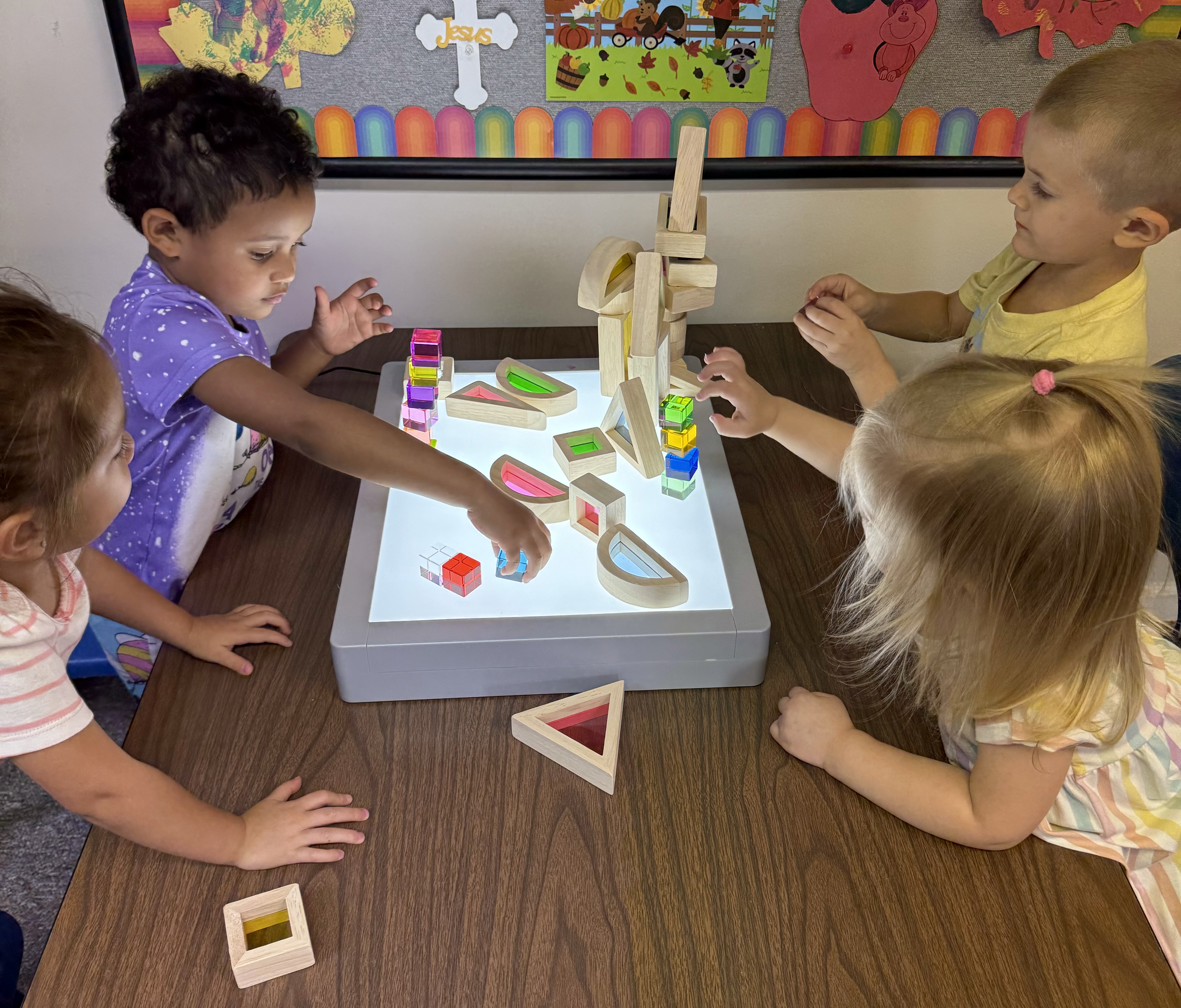
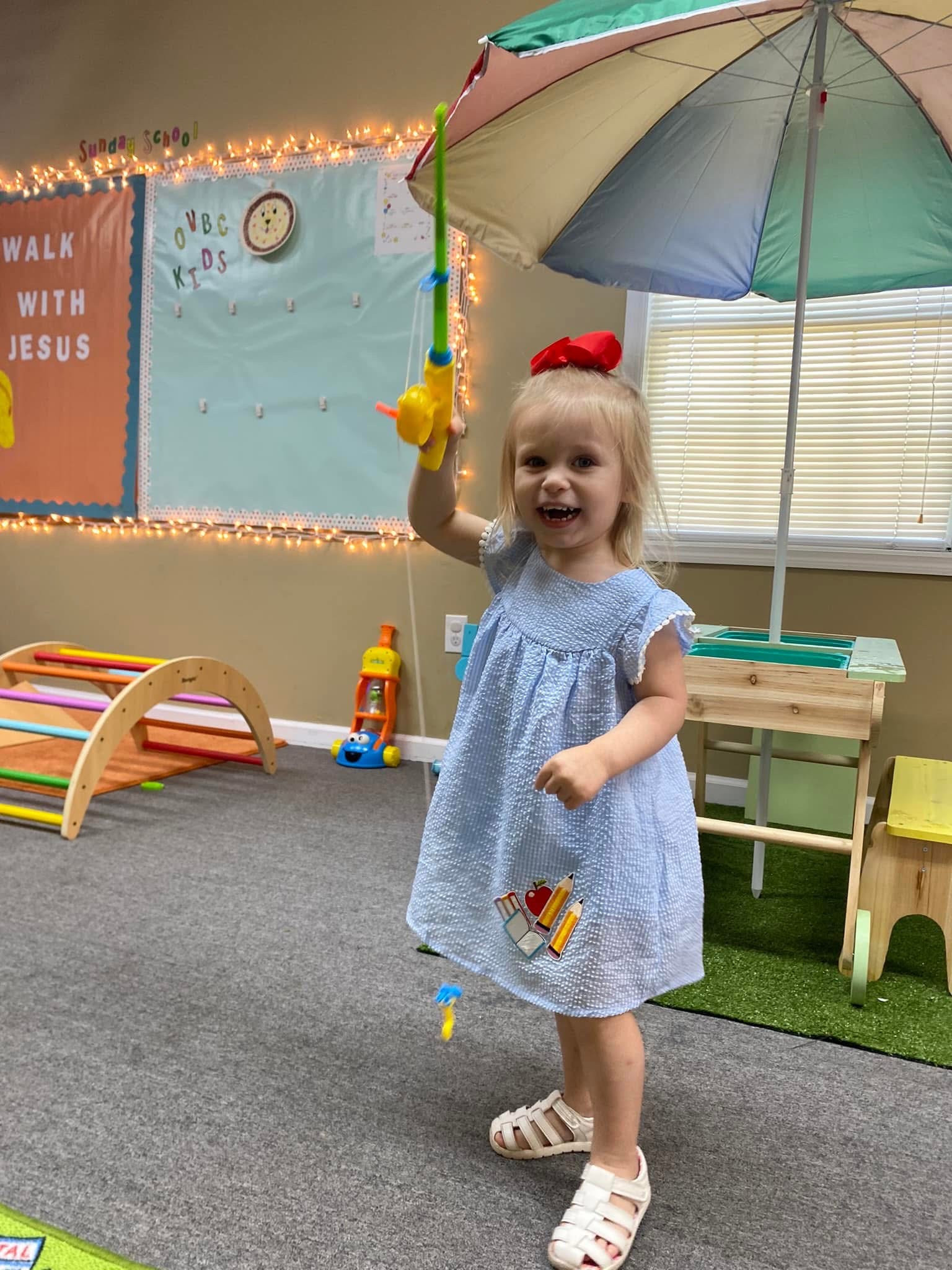
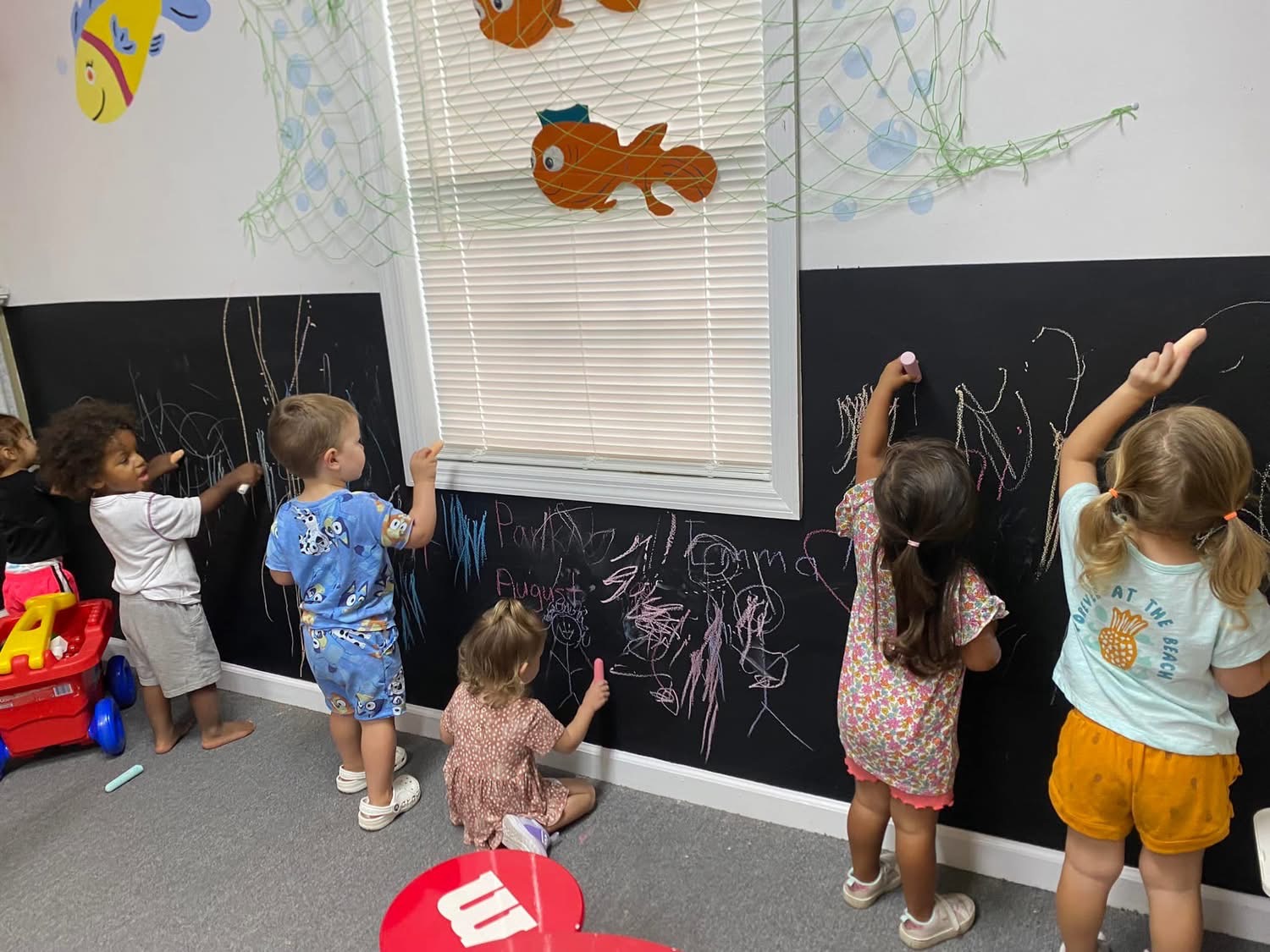
2 Days (Monday/Tuesday) – 1 Year Olds – Our littlest friends join us for 2 days each week. This class is designed to provide a gentle introduction to group learning through play and exploration.
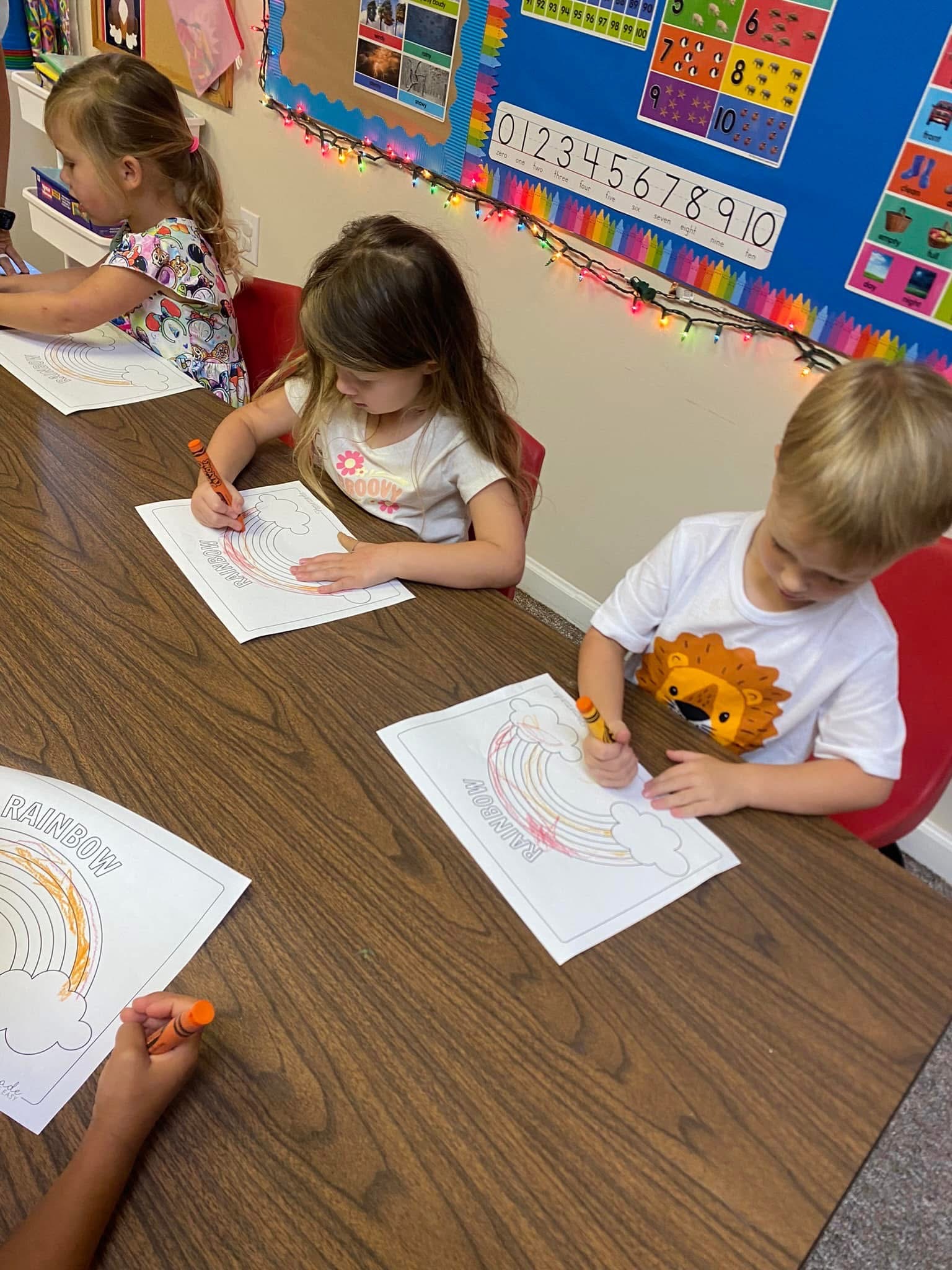
3 Days (Monday-Wednesday) – Regular preschool (Ages 2-4) runs Monday through Wednesday, following our three-day schedule with a gentle academic rhythm, hands-on learning, and structured group experiences.
4 Days (+Thursdays) – Thursdays are designed as a learning-through-play day focused on open play, social development, creativity, and exploration. Children are given time and space to play freely, build friendships, practice problem-solving, and engage with one another in a relaxed and encouraging environment. This day is intentionally less structured academically and reflects our belief that play, relationships, and collaboration are an essential part of early learning. We strongly encourage families to consider the four-day option as this day plays an important role in building friendships, confidence, and community!
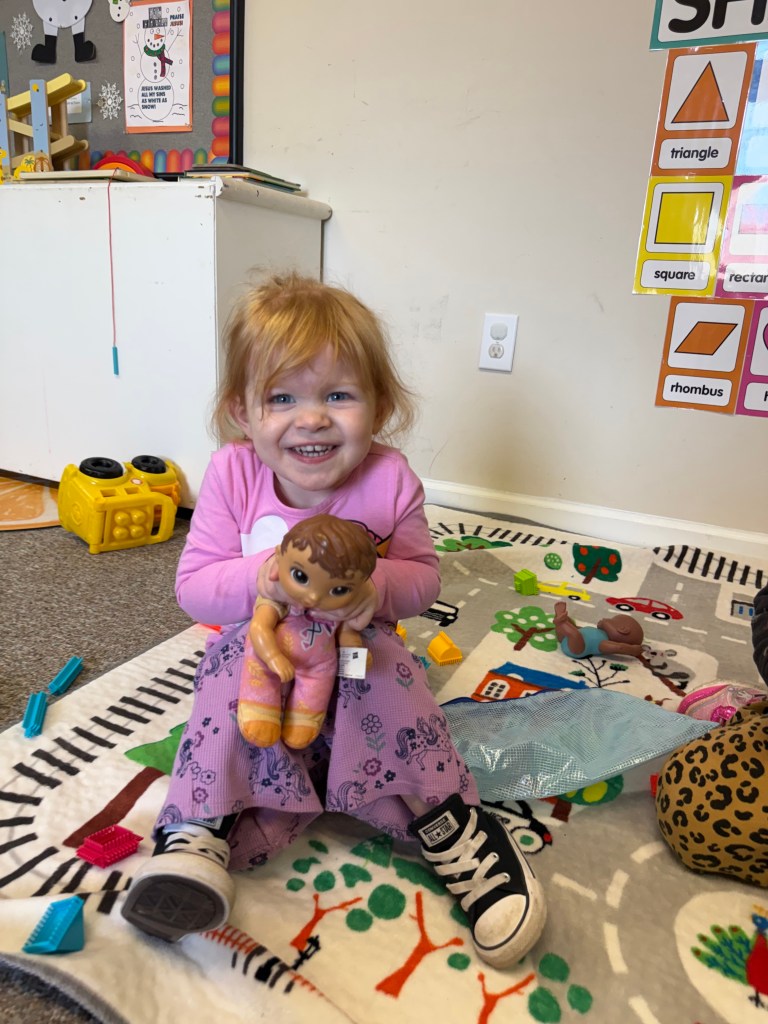
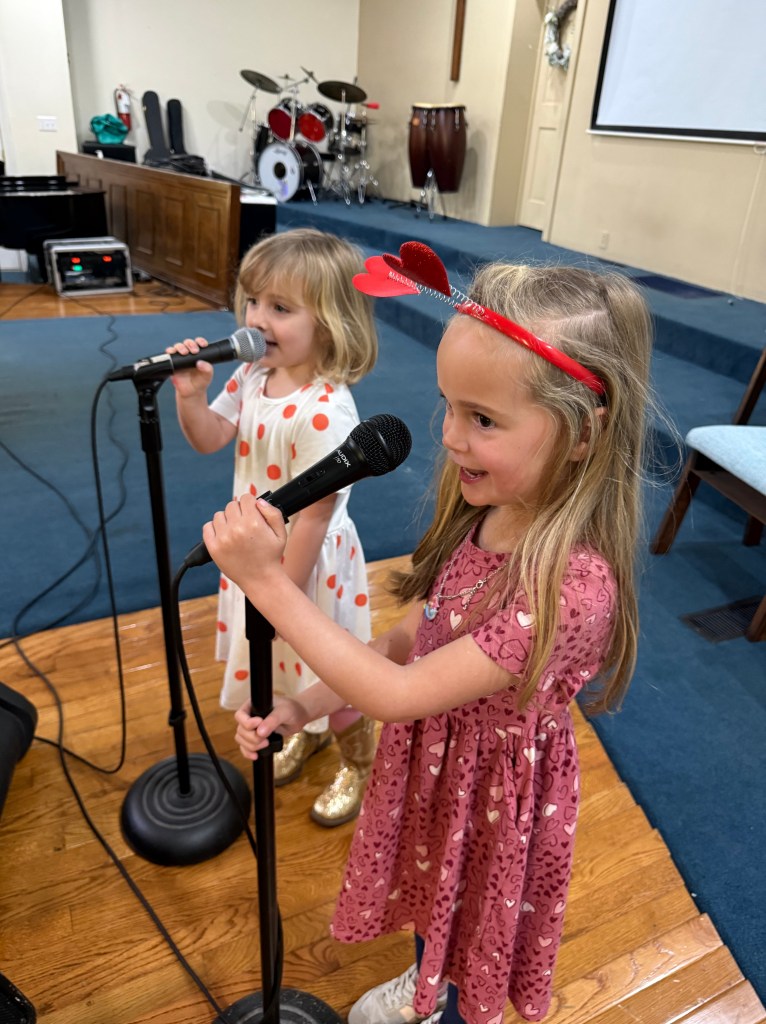
Our preschool program offers a developmentally appropriate experience that embraces the whole child. We believe that play is the work of childhood and that children learn best when they are safe, comfortable, and have the freedom to make choices based on their own needs and interest. We view the environment as a teacher of the children and take special care in the planning and presentation of materials. We spend as much time outside as possible and all of our programs and activities are Christ centered and taught through a Biblical world view. We expose students to a variety of academic, social, emotional, spiritual, and Biblical lessons all through play, relationships, and hands-on learning!
According to The American Academy of Pediatrics:
“Play allows children to use their creativity while developing their imagination, dexterity, and physical, cognitive, and emotional strength. Play is important to healthy brain development. It is through play that children at a very early age engage and interact in the world around them. Play allows children to create and explore a world they can master, conquering their fears while practicing adult roles, sometimes in conjunction with other children or adult caregivers. As they master their world, play helps children develop new competencies that lead to enhanced confidence and the resiliency they will need to face future challenges. Undirected play allows children to learn how to work in groups, to share, to negotiate, to resolve conflicts, and to learn self-advocacy skills. When play is allowed to be child driven, children practice decision-making skills, move at their own pace, discover their own areas of interest, and ultimately engage fully in the passions they wish to pursue. Ideally, much of play involves adults, but when play is controlled by adults, children acquiesce to adult rules and concerns and lose some of the benefits play offers them, particularly in developing creativity, leadership, and group skills. In contrast to passive entertainment, play builds active, healthy bodies. In fact, it has been suggested that encouraging unstructured play may be an exceptional way to increase physical activity levels in children, which is one important strategy in the resolution of the obesity epidemic. Perhaps above all, play is a simple joy that is a cherished part of childhood”.
[source: Pediatrics, January 2007, VOLUME 119 / ISSUE 1]
Jesus said, “Let the little children come to me, and do not hinder them, for the kingdom of heaven belongs to such as these.” Matthew 19:14
 Ocean View Learning Center